How AI Is Rewriting LinkedIn Thought Leadership

In this article (5)
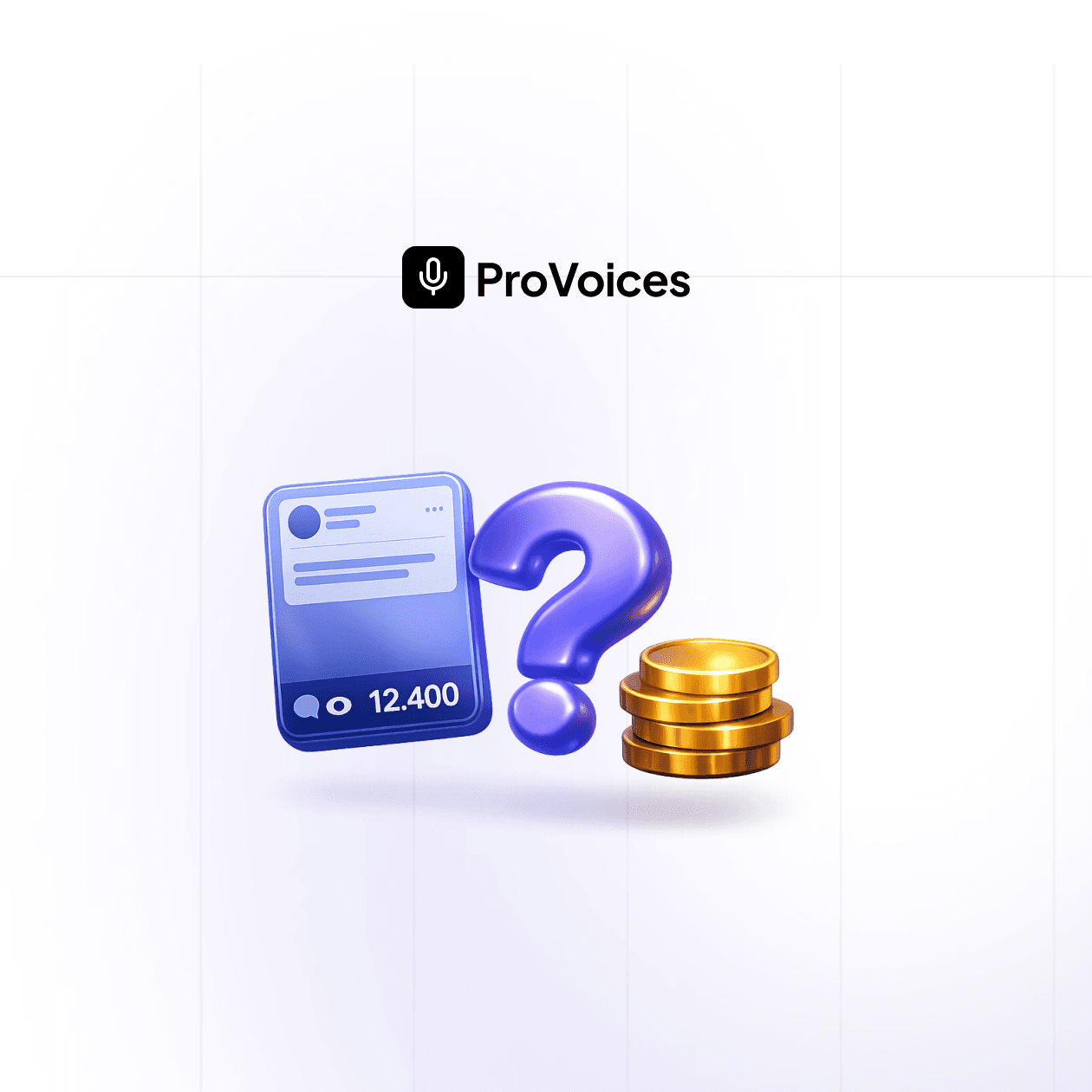
We recently joined Kripa Anand on the CanadianSME Small Business Podcast to talk about a problem nearly every professional services expert runs into: staying visible on LinkedIn without turning it into a second job. Below are the key moments from that conversation, including the real cost of doing LinkedIn yourself and why enterprise clients care about something completely different.
Why personal reputation now beats corporate branding
Kripa Anand: LinkedIn used to feel optional for a lot of professionals. What's actually changed?
Mitt Korot: The biggest shift is that personal reputation now outweighs corporate affiliation. It used to be safest to just stay employable, keep your head down inside a company. Now it's the opposite: your reputation, your network, your point of view are assets you carry with you, wherever you go. People used to hide behind corporate pages nobody follows. Now buyers are looking for trust, and trust doesn't live on a logo, it lives on a person.
Kripa Anand: So if everyone intellectually gets that, why do so few people actually post consistently?
Mitt Korot: Because it turns into a part-time job if you try to do it properly, and most people never signed up for that. At ProVoices we kept hearing three blockers. First, no time. Second, people genuinely don't know what to say. Third, there's this fear of sounding like AI, which is really a fear of sounding generic, not a fear of the tool itself.
The real cost of doing LinkedIn yourself
Kripa Anand: Let's talk money. You've said writing your own posts is actually the expensive option, not the cheap one. Walk me through that.
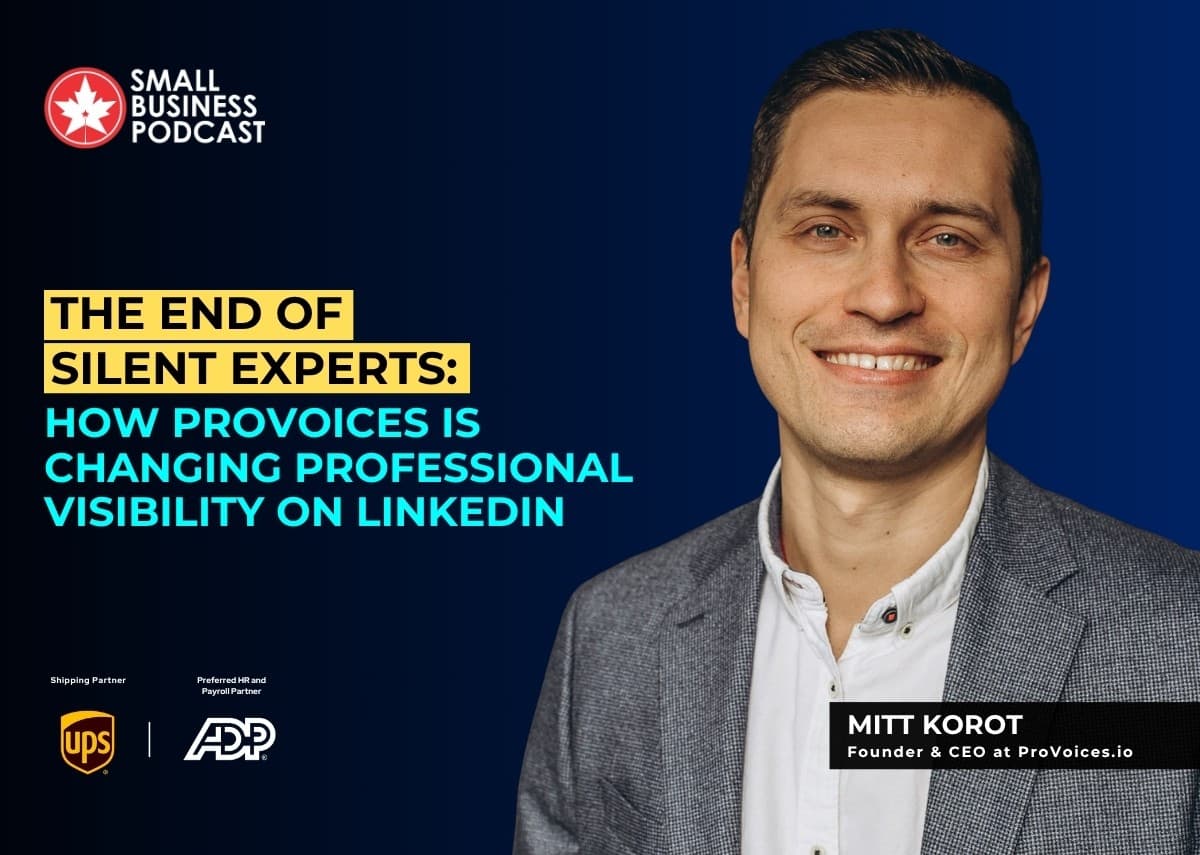
Mitt Korot: People forget that time spent writing is time pulled from billable work. Run the math on a professional's actual hourly rate and doing LinkedIn properly yourself can cost up to $7,500 a month in lost hours. Hiring a ghostwriter isn't much better once you add the management overhead, that can land around $1,750 a month. Meanwhile, the ProVoices plan runs about $1.60 a day.
Kripa Anand: You've also talked about "earned media value." Break that down for someone outside a media background.
Mitt Korot: It's simply what it would cost to buy the same visibility through ads. Take a real example: a user with 2,500 followers generated 150,000 impressions in a year through the platform. Buying that reach through LinkedIn ads would run about $11,250. Against an annual plan of roughly $468, that's about a 24x return.
What enterprise clients need
Kripa Anand: You started with individual experts, now you're moving into enterprise. What changes at that level?
Mitt Korot: Individuals mostly want speed and a voice that actually sounds like them. Enterprises care most about guardrails, approved positions, banned topics, competitors they won't touch, and proof that nothing goes out unchecked. We're piloting this now with one of the big four firms in Canada, and it's a genuinely different problem to solve than the solo-expert version.
Where LinkedIn thought leadership is going
Kripa Anand: Last one. Time machine, five or ten years out. What does this industry look like?
Mitt Korot: I think there's no room left for invisible experts. LinkedIn used to work like a digital resume. Going forward I think opinion matters more than credentials, the posts that land are the ones with a real point of view, even a controversial one, not safe consensus takes. The point was never to replace a voice with AI. It's to scale the judgment that was already there, so it shows up every week instead of once a quarter.
That's the shift in one sentence: LinkedIn stopped being a place to keep a resume updated and became the place where trust gets built or lost. The experts who show up consistently, with an actual opinion, are the ones buyers find first. Everyone else is betting that being invisible won't cost them anything.
If you want to see what that consistency looks like without adding a second job to your calendar, that's exactly what ProVoices was built for.

 Mitt Korot