LinkedIn for Lawyers: How to Build Credibility Without Sounding Like a Marketer

In this article (5)
Why Quiet Lawyers Lose Ground on LinkedIn
“LinkedIn is a propaganda machine.”
“I get likes, but no clients.”
“It feels like visibility without credibility.”
Business attorney Daniel A. said all three without hesitation.
A lot of lawyers would nod along.
If your day is filled with contracts, commercial disputes, corporate law, regulatory compliance, and the careful wording that keeps businesses out of trouble, LinkedIn can feel like the wrong room. It moves fast, rewards confidence, and often flattens complex issues into punchy opinions.
That creates a real tension.
Lawyers are trained to guard against loose statements. Public words can be misunderstood, clipped, forwarded, or used out of context. For someone who helps businesses protect their interests, avoid costly mistakes, and grow with confidence, that risk feels obvious.
Why many lawyers stay quiet
The hesitation usually starts here.
A post feels too simple.
A comment feels too exposed.
A strong opinion feels too risky.
A polished update feels self-promotional.
Daniel put it bluntly:
“It rewards presence, not precision.”
That line captures why so many lawyers hold back. Good legal work often lives in nuance, caution, and timing. LinkedIn tends to favor speed, certainty, and repetition.
Then there is the business pressure sitting behind the platform.
“I have a sales target despite the title of a lawyer.”
That sentence is what many firms rarely say out loud. Even lawyers who spend their days drafting agreements, handling disputes, or guiding mergers & acquisitions still face expectations around business development.
So now the lawyer has two problems at once.
Show up, and risk sounding like a marketer.
OR
Stay quiet, and risk being forgotten.
Search around for advice on LinkedIn marketing for lawyers and you run into the same stream of tips: how often should I post on LinkedIn, how to format LinkedIn posts, whether LinkedIn articles work better than a short LinkedIn post, and which AI tools for LinkedIn can speed things up.
Most of that advice misses the real objection.
The problem is not a lack of LinkedIn content ideas.
The problem is trust.
A business lawyer does not want to trade credibility for reach. They do not want social media personal branding to weaken the professional judgment clients actually pay for.
That is why many profiles sit still for months. The profile exists. The bio is fine. The work is real. The public voice never develops.
What that silence signals
But silence stopped being neutral.
Years ago, an inactive LinkedIn presence could pass unnoticed. Now it often leaves a gap.
A founder hears your name and checks your profile.
A banker looks you up before making an introduction.
A potential client wants to see whether you understand business formation, intellectual property, risk management, or the contract issues they are dealing with.
If they find a stale page, they still might hire you. But they have less to hold onto.
That matters more than many lawyers think.
Daniel also said:
“Engagement doesn’t translate into mandates.”
He is right to be skeptical. Likes are weak proof. Comments can be shallow. A busy lawyer should not confuse online applause with client work.
Still, that does not mean visibility has no value.
In legal work, mandates often come later. They come after repeated exposure. A general counsel notices one sharp post about contract drafting. A founder reads a clear explanation of a compliance issue. A CPA sees a practical note on deal risk during M&A due diligence.
None of those moments closes the matter.
They make the lawyer easier to remember.
That is where LinkedIn lead generation and LinkedIn business development look different for lawyers than they do for sales teams. The path is slower, quieter, and more trust-based.
You are rarely one post away from a signed engagement letter.
You are often a few useful signals away from being the first name someone brings up when the need appears.
Meanwhile, competitors who publish clear, restrained, useful content gain ground. They become visible to referral partners, founders, operators, and investors long before a formal need lands.
They are not always better lawyers.
They are easier to place.
A professional way to be visible
This is where many lawyers need a cleaner frame.
Visibility does not require performance.
It does not require hot takes.
It does not require turning a serious practice into a content circus.
For a business lawyer, good LinkedIn thought leadership usually looks simple. It sounds like the kind of advice you already give in meetings, emails, and marked-up drafts.
One post might explain a contract clause that quietly shifts risk.
Another might show a common mistake in business formation that creates problems later.
Another might highlight what buyers and sellers often miss in mergers & acquisitions.
Another might flag a regulatory compliance change with a clear business effect.
That kind of LinkedIn content creation works because it mirrors the real job. It shows judgment, not performance.
It also answers a question prospects rarely ask out loud: can this lawyer make a hard issue clear?
For lawyers, LinkedIn personal branding works best when it stays tied to work product. Clear thinking. Calm tone. Specific issues. Practical stakes.
The best LinkedIn posts in this space are often narrow.
Short.
Useful.
Easy to scan.
A strong-format LinkedIn approach for lawyers is usually a brief setup, one sharp point, and a clear takeaway. Most readers do not need a long article every time, though occasional LinkedIn articles can help when a topic needs more room.
The frequency question matters less than people think. If you are wondering how often should I post on LinkedIn, steady usually beats intense. One solid post a week can do more than a burst of generic content that sounds borrowed.
And that last part is easy to get wrong.
A lot of AI LinkedIn post generator tools and generic LinkedIn content generator products can produce words fast. Speed is not the hard part. The hard part is keeping the voice credible, specific, and grounded in actual legal judgment.
That is why so much AI for LinkedIn falls flat in professional services. It gives you something polished, but empty. The tone drifts toward broad claims, recycled hooks, and ideas any competitor could post.
For a lawyer, that creates the exact problem Daniel described.
Visibility without credibility.
The real risk now
Lawyers often avoid LinkedIn because they do not want to look promotional.
That instinct makes sense.
But look closer.
A quiet profile now creates its own impression. It can suggest distance from the market, weak public clarity, or simple absence at the moment people are forming first impressions.
That does not mean every lawyer needs to become a daily content machine. It means the old idea that staying silent protects your reputation no longer holds up as cleanly as it used to.
In a visibility-driven market, people compare whoever they can see.
A lawyer who explains contracts clearly, comments thoughtfully on corporate law issues, and shows practical judgment around disputes and compliance does not look promotional. They look present.
And presence, handled well, supports credibility.
If showing up matters but generic AI tools keep producing flat, interchangeable copy, ProVoices offers a more practical middle path: credible content without hours of prompting, fixing, and back-and-forth with a ghostwriter who still does not sound like you.
Andy from ProVoices
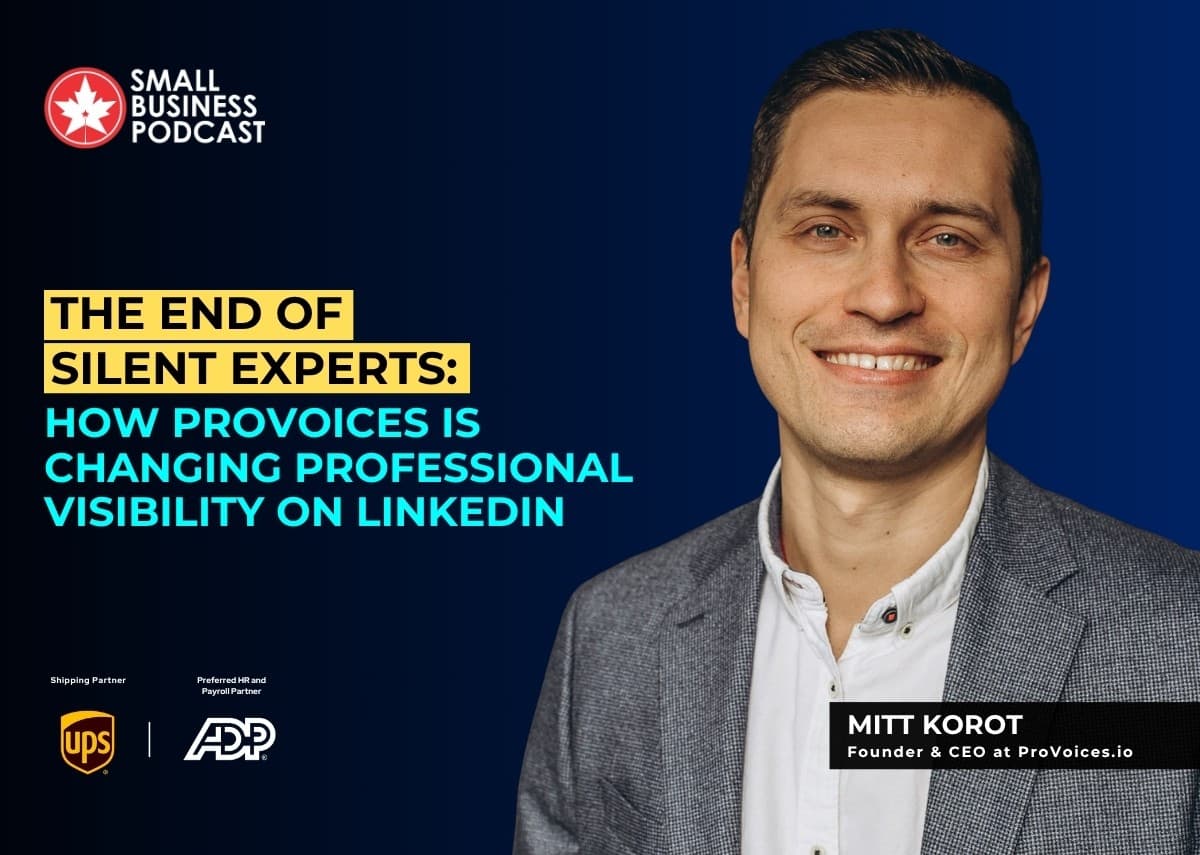
 Mitt Korot